
How to Clean Pet Hair and Odors: A Pet Owner's Home Guide
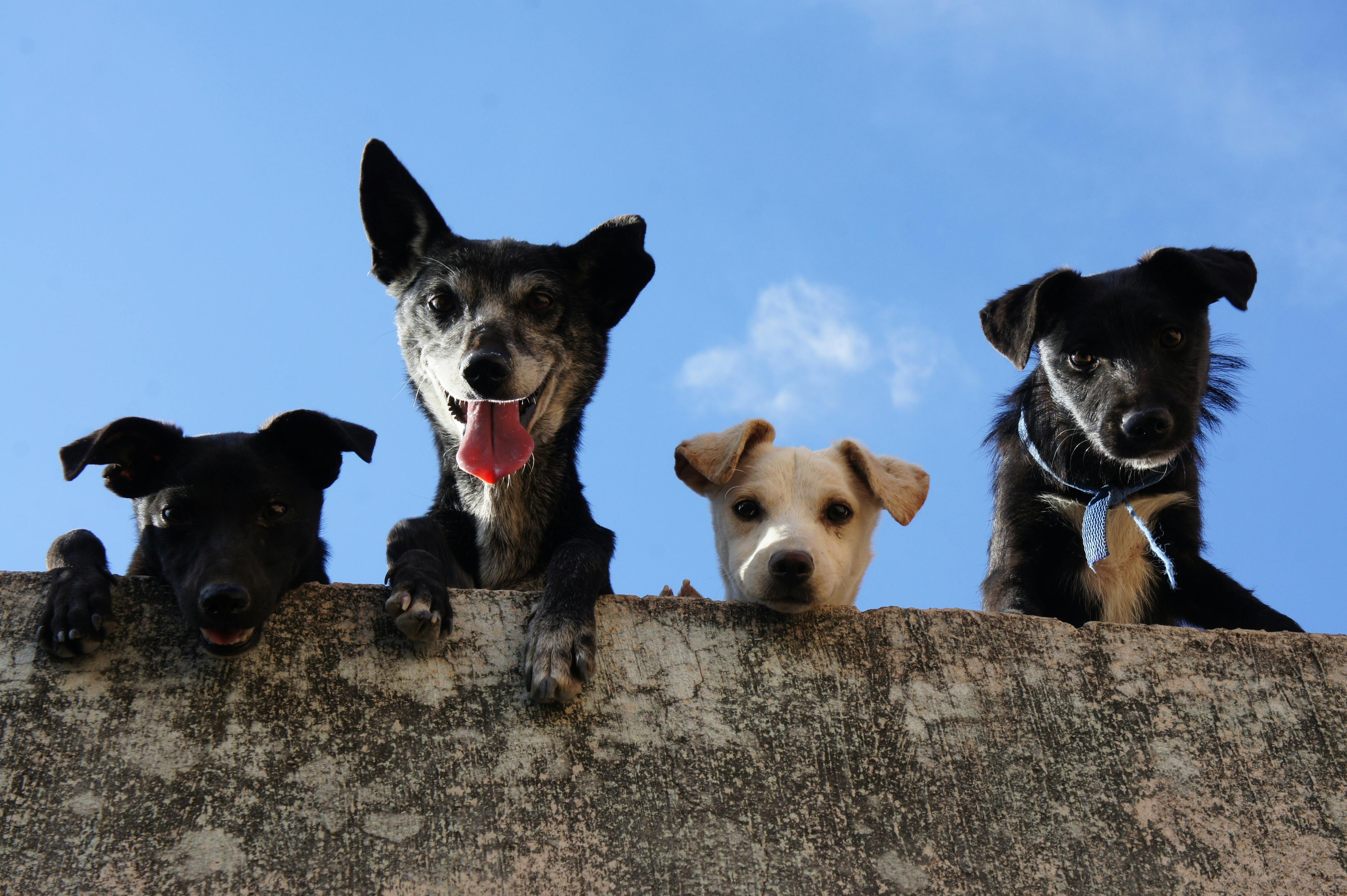
Pets make a house feel like home, but they also bring a steady supply of hair, dander, muddy paws and the occasional accident. If you have ever vacuumed the couch only to find a fresh layer of fur an hour later, you know that knowing how to clean pet hair is less about one big cleaning day and more about the right habits and tools. This guide covers what works for pet owners in Raleigh, Durham, Cary and across the Triangle: daily and weekly routines, the best tools, furniture and floors, litter boxes and crates, and how to keep cleaning products safe for the animals you share your home with.
Daily Habits That Keep Pet Hair and Odor in Check
A few minutes a day prevents most of the build-up that makes a pet home look and smell lived-in.
- Brush your pet often, ideally outside or in one easy-to-clean spot. Hair you catch on the brush is hair that does not end up on the sofa.
- Wipe paws at the door. Keep a towel or pet wipes by the entry you use for walks. In the Triangle, that saves your floors from red clay, pollen and wet leaves.
- Do a quick pass on high-shed zones with a handheld or stick vacuum: the pet bed, their favorite chair and the rug where they nap.
- Scoop litter boxes daily and pick up any outdoor waste near the house.
- Clean up accidents right away. Fresh messes are much easier to remove than set-in stains and odors.
Want to know what regular cleaning would cost for your home? Get your instant price in about two minutes. No phone call needed.
A Weekly Pet Cleaning Routine
Once a week, go a level deeper so hair and dander do not settle into fabrics and corners.
- Vacuum all floors, including under furniture and along baseboards where hair collects in drifts
- Vacuum upholstery, cushions and the crevices under them
- Wash pet bedding, blankets and any throws your pet sleeps on (check the care label)
- Wash food and water bowls with hot, soapy water, and wipe the floor or mat under them
- Mop hard floors to pick up the fine dander and dust a vacuum leaves behind
- Wipe low surfaces: doors, walls and windows at nose height
- Wash soft toys and wipe down hard ones
How to Clean Pet Hair: The Tools That Work Best
The right tool makes pet hair removal faster than any amount of scrubbing.
For floors and carpet
- A vacuum with good suction and a brush roll for carpet, plus a setting that turns the brush off for hard floors so you do not scatter hair.
- A HEPA filter in your vacuum helps trap fine dander instead of blowing it back into the room.
- A rubber broom or carpet rake pulls embedded hair out of carpet and rugs before you vacuum.
- Empty the canister or change the bag often. A full vacuum loses suction quickly in a pet home.
For furniture and fabric
- Rubber gloves, lightly dampened: run your hand over upholstery and the hair rolls into clumps you can pick up.
- A rubber pet hair brush or lint roller for cushions, car seats and clothing.
- The upholstery attachment on your vacuum, with the crevice tool for seams.
- Microfiber cloths for hard surfaces, because they grab hair and dander instead of pushing it around.
Furniture and Floors: Room-by-Room Tips
Sofas and chairs
Washable slipcovers or throws on your pet's favorite spots are the single biggest time-saver. Shake them outside and wash them weekly. For fixed upholstery, check the cleaning code on the tag before using any liquid cleaner, and test it on a hidden area first.
Hard floors
Vacuum or dry-mop before you wet-mop. Mopping first turns loose hair into a wet mat that sticks to the floor. Wipe up water around bowls quickly, since standing water can damage wood and laminate.
Carpet and rugs
Vacuum high-traffic areas slowly, in two directions, so the brush can lift hair from the pile. For accidents, blot up as much as you can with paper towels, then use an enzyme cleaner made for pet stains and follow its directions on dwell time. Carpet in a pet home also benefits from periodic professional cleaning; contact DJM if you would like to ask about carpet cleaning. Our post on how often to have carpets professionally cleaned explains how pets change the schedule.
Litter Box and Crate Areas
These are the spots that most affect how a pet home smells.
Litter boxes
- Scoop daily and top up litter as needed
- Empty the box completely and wash it with warm water and mild, unscented dish soap on a regular schedule, following your litter's guidance
- Rinse well and dry the box fully before refilling
- Place a litter mat under the box and vacuum the area every few days to catch tracked litter
- Choose a spot with some airflow rather than a closed closet
Crates and pet beds
- Wash crate pads and bedding weekly, or right away after an accident
- Wipe the crate tray and bars with mild soap and water, then dry before your pet goes back in
- Vacuum around and under the crate, where hair and food crumbs gather
Pet-Safe Cleaning Precautions
Pets walk on, lie on and sometimes lick the surfaces you clean, so a little care goes a long way.
- Read every product label. Follow the directions, warnings and dilution instructions, and look for any guidance about use around pets.
- Keep pets out of the room until surfaces are completely dry, especially floors, and rinse surfaces when the label says to.
- Never mix cleaning products. Bleach combined with ammonia or acids creates dangerous fumes for people and pets alike.
- Avoid ammonia-based cleaners on urine spots. Urine contains ammonia, and the smell can draw a pet back to the same spot. An enzyme cleaner is the better choice.
- Ask your veterinarian before using air fresheners, essential oil products or diffusers around pets, since some can be harmful to animals.
- Store cleaners up high or behind a closed door, and never leave a bucket of cleaning solution where a pet can drink from it.
- Ventilate by opening a window or running a fan while you clean.
If anyone in your home has allergies, our cleaning tips for allergy sufferers pair well with this routine. For health concerns, check with your doctor.
How DJM Can Help Pet Owners
DJM Cleaning Home Services is a veteran-owned, family-run company that has cleaned homes across the Triangle since 2016, from Apex and Holly Springs to Durham and Chapel Hill. With Perfect Maintenance recurring cleaning, the same background-checked, insured team comes weekly, bi-weekly or monthly, and keeps notes on your home, including your pets and any products or rooms to avoid. If the hair has already built up, a Top to Bottom Deluxe deep clean gives you a fresh start first. For more on keeping a busy household under control, see our cleaning tips for busy families and pet owners.
Frequently Asked Questions
How often should I vacuum if I have pets?
Most pet homes do best with a quick vacuum of high-shed areas every day or two and a full vacuum once a week. Heavy shedders, multiple pets or allergies in the household may call for more.
What is the fastest way to get pet hair off a couch?
Run a dampened rubber glove or rubber pet hair brush over the fabric to gather the hair, then vacuum with the upholstery attachment to pick up what is left.
How do I get rid of pet odor in my house?
Start with the sources: wash pet bedding, clean the litter box or crate area, and treat any accident spots with an enzyme cleaner. Regular vacuuming and fresh HVAC filters help too.
Should I put my pet away when the cleaners come?
It is usually easiest for everyone if pets are in a closed room or crate during the visit. Let your team know about your pets ahead of time so they can plan around them.
Ready to spend less time chasing pet hair? Get your instant price or call (919) 794-5381 to set up recurring cleaning for your pet-friendly home.
