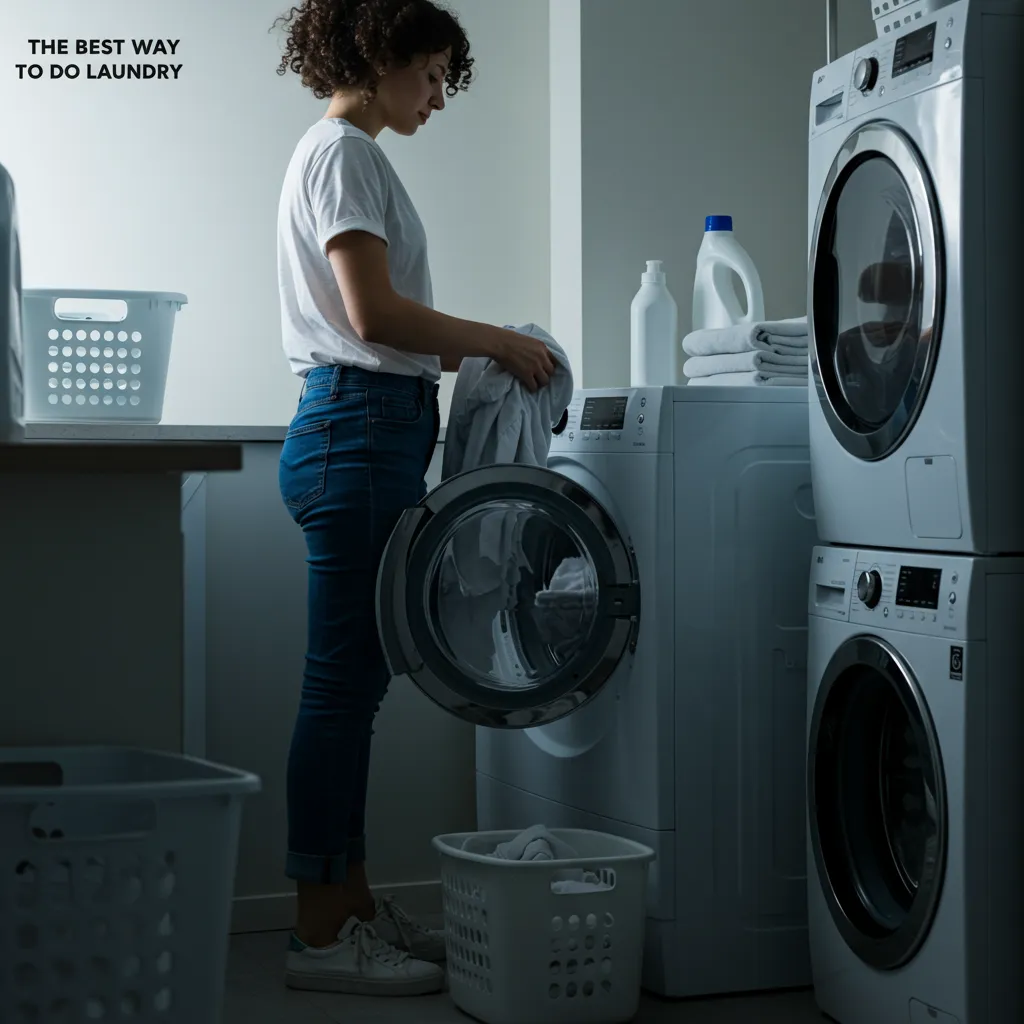
The Best Way to Do Laundry

Most of us learned how to do laundry by trial and error, usually after a red sock turned a load of whites pink. Doing it well is not complicated, though. A few habits, sorting the right way, reading care labels, picking the right water temperature, treating stains early and drying carefully, keep clothes cleaner and help them last longer. Here is a straightforward guide, plus a routine that keeps the laundry pile from taking over the house.
How to Do Laundry: Start by Sorting
Sorting protects colors and fabrics and helps every item get the right wash.
Sort by color
- Whites: white shirts, socks, undershirts and linens
- Lights: pastels, light grays and light-colored prints
- Darks: blacks, navy, dark jeans and deep reds, which are the most likely to bleed
Then sort by fabric and soil level
- Wash heavy items like towels and jeans separately from lightweight shirts and delicates
- Keep lint producers, such as towels and fleece, away from lint magnets like corduroy and dark knits
- Separate very dirty work or sports clothes so the soil does not redeposit on lighter loads
Prep each item
- Empty pockets: tissues, pens and lip balm can ruin a whole load
- Zip zippers, fasten hooks and unbutton buttons to reduce snags and stress on buttonholes
- Turn dark clothes and printed shirts inside out to reduce fading
- Put bras, delicates and small items in a mesh laundry bag
Read the Care Label
The care label is the best guide to how a garment should be washed and dried. The symbols can look cryptic, but they follow a simple pattern:
- Washtub: washing instructions. Dots inside show temperature; more dots mean warmer water. A hand in the tub means hand wash only.
- Triangle: bleach. An empty triangle means any bleach is okay; one with diagonal lines means non-chlorine bleach only; a crossed-out triangle means no bleach.
- Square: drying. A circle inside the square means tumble dry, with dots for heat level. A line inside means hang or lay flat.
- Iron: ironing, with dots for heat level.
- Circle alone: dry clean.
- Any symbol with an X: do not do it.
Lines under the washtub mean a gentler cycle: one line for permanent press, two for delicate.
Choose the Right Water Temperature
- Cold water: best for most everyday clothes, darks, bright colors and anything that might shrink or bleed. Modern detergents clean well in cold water, and it is easier on fabrics.
- Warm water: good for moderately soiled items, light colors and synthetic blends.
- Hot water: for durable whites, towels, bedding and heavily soiled items, when the care label allows it.
When in doubt, go with cold. It is the lowest-risk choice for colors and fabrics.
Detergent and Load Size
- Follow the detergent's measuring guide; more is not better. Extra detergent leaves residue that can make clothes stiff and trap odors.
- Use high-efficiency (HE) detergent if you have an HE washer.
- Do not overstuff the drum. Clothes need room to move to get clean, so fill it about three-quarters full.
- Add bleach only when the care label allows it, and never mix bleach with other cleaning products.
Stain Basics
The faster you treat a stain, the better your chances. A few rules cover most situations:
- Blot, do not rub. Rubbing pushes the stain deeper into the fibers.
- Use cold water first. Hot water can set protein stains like blood, egg and dairy.
- Grease and oil: work in a little dish soap, let it sit, then wash in the warmest water the label allows.
- Grass and mud: let mud dry and brush off what you can, then pretreat with a stain remover or liquid detergent.
- Follow the product label. Most stain removers need a few minutes to work before washing, and it is smart to test on a hidden seam first.
- Check before drying. Dryer heat can set a stain permanently. If it is still there, treat and wash again.
Drying Without Damage
- Shake out each item before it goes in the dryer to reduce wrinkles
- Use low or medium heat for most clothes; high heat is for towels and sturdy cottons
- Hang or lay flat sweaters, activewear and anything labeled for line drying
- Remove clothes promptly and fold or hang right away to prevent wrinkles
- Clean the lint trap before every load, which helps the dryer run efficiently and reduces fire risk
Care for Your Washer and Dryer
- Leave the washer door or lid open after each load so it can dry out
- Wipe the door gasket on front-loaders, where water and lint collect
- Run a cleaning cycle or a hot empty cycle monthly, following your manufacturer's instructions
- Clean the detergent and softener dispensers every few weeks
- Have the dryer vent duct cleaned out periodically, and check the outside vent flap for lint
A Laundry Routine That Keeps Up
The best laundry method is the one that keeps the pile from growing. Try one load a day instead of a single marathon day, or assign each family member a laundry day. Kids can sort, match socks and put away their own clothes. Keep separate hampers for lights and darks so sorting happens automatically. For more ways to save time around the house, see the lazy person's guide to a clean home and a busy parent's guide to keeping a clean home.
How DJM Cleaning Can Help
Laundry is easier to keep up with when the rest of the house is not competing for your time. DJM Cleaning Home Services is a veteran-owned, family-run company serving Raleigh, Durham, Cary and the Triangle since 2016. Our Perfect Maintenance recurring cleaning takes care of kitchens, bathrooms, floors and dusting on a weekly, bi-weekly or monthly schedule, so your free time goes to the tasks only you can do, or to nothing at all.
Frequently Asked Questions
Should I wash clothes in hot or cold water?
Cold water works for most everyday laundry and is gentlest on colors and fabrics. Save hot water for towels, bedding and heavily soiled whites when the care label allows it.
How often should I wash bath towels and sheets?
A common guideline is to wash bath towels after three or four uses and sheets once a week, more often in hot, humid weather.
Why do my clothes still smell after washing?
Usually it is too much detergent, an overloaded washer, or wet clothes left sitting in the drum. Use the right amount of detergent, leave room in the drum, move clothes to the dryer promptly and clean the washer regularly.
Want more time for the things that matter? Get a free quote or call (919) 794-5381 to set up recurring house cleaning.
