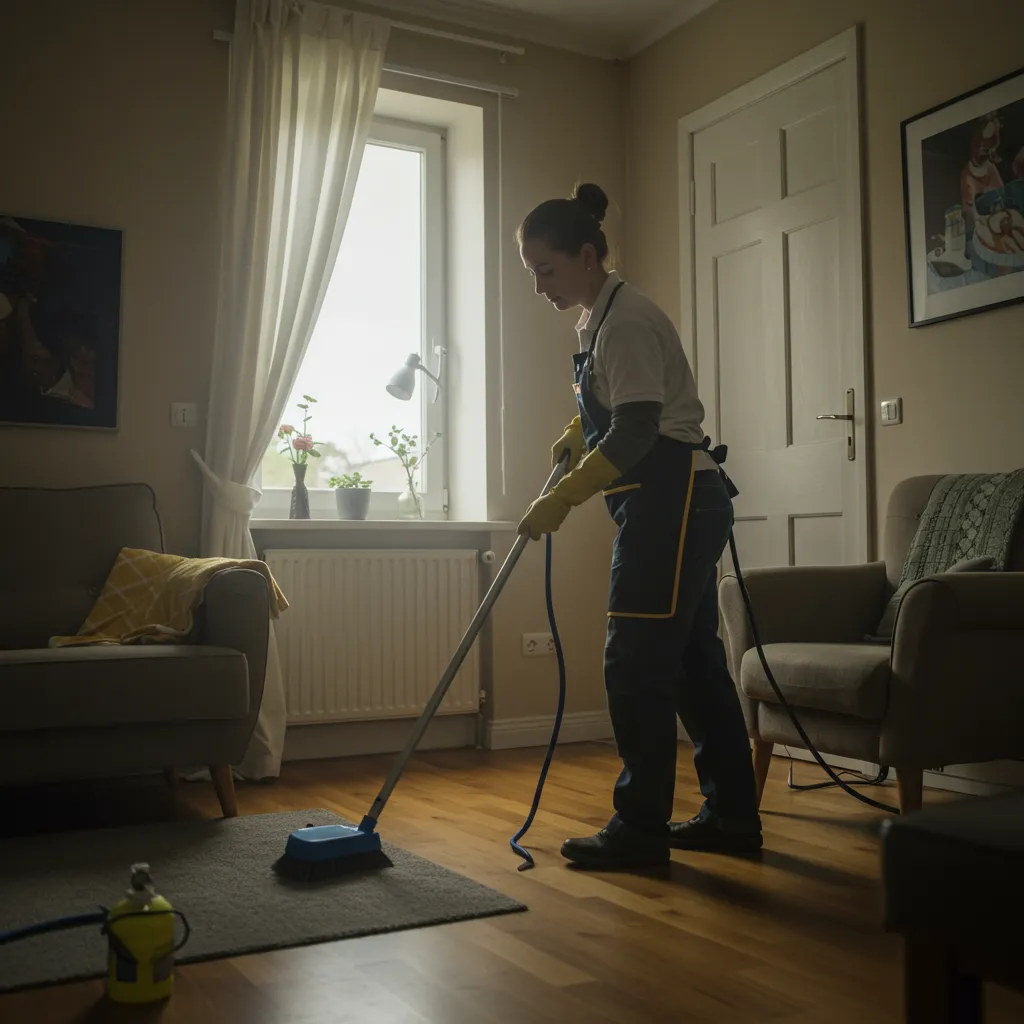
How Professional Cleaning Improves Indoor Air Quality

Most of us spend the majority of our day indoors, so the air inside our homes matters. The good news is that you do not need special gadgets to improve indoor air quality. Much of what floats in the air of a typical home starts on its surfaces: dust on shelves, dander in upholstery, debris packed into carpets and vents. When those particles are removed instead of stirred up, there is simply less of them to breathe. This guide covers the everyday cleaning habits that make the biggest difference, and where a professional clean fits in.
What Affects the Air Inside Your Home
Indoor air picks up whatever your home collects. The most common culprits are:
- Dust and pet dander. Dust is a mix of fabric fibers, skin flakes, soil tracked in on shoes, and outdoor particles that drift through doors and windows. Pets add dander and hair on top of that.
- Pollen. In the Triangle, spring pollen coats cars, porches and window sills, and plenty of it makes its way inside on clothing, shoes and pets.
- Mold spores. Damp areas such as showers, under sinks and around windows with condensation can grow mold and mildew, which release spores into the air.
- Trapped debris in carpets and vents. Carpets, rugs and HVAC vents act like filters. They hold onto particles until foot traffic or airflow kicks them back up.
- Cooking and household residue. Grease, smoke and aerosol sprays leave a film that dust sticks to.
Cleaning Habits That Improve Indoor Air Quality
The goal of every habit below is the same: capture particles and take them out of the house, rather than moving them from one surface to another.
Dust from top to bottom with a damp or microfiber cloth
Start with ceiling fans, light fixtures and the tops of door frames, then work down to shelves, furniture and baseboards. Gravity does the rest, and you vacuum up whatever falls last. A slightly damp cloth or microfiber cloth traps dust; a dry rag or feather duster tends to launch it back into the air.
Vacuum slowly and often
Vacuuming once or twice a week in busy rooms keeps carpets from becoming a dust reservoir. Go slowly so the vacuum has time to lift particles, overlap your passes, and use attachments along edges, under furniture and on upholstery. A vacuum with a HEPA-grade filter is designed to hold onto fine particles instead of blowing them out the exhaust. Empty the canister or change the bag before it is overfilled.
Do not forget hard floors
Sweeping can scatter fine dust. Vacuuming hard floors first and then damp mopping removes more of it, especially in kitchens and entryways.
Clean vents, returns and filters
- Vacuum or wipe supply vents and return grilles regularly.
- Replace or clean HVAC filters on the schedule your system manufacturer recommends.
- Wipe bathroom exhaust fan covers, which collect a surprising amount of dust.
Wash soft surfaces
Bedding, throw blankets, pillow covers and pet beds hold dust and dander. Wash sheets weekly and the rest every couple of weeks. Shake out or vacuum curtains and wash them when the care label allows.
Control moisture
Run bathroom fans during and after showers, wipe down wet surfaces, fix leaks promptly, and clean visible mildew before it spreads. Keeping damp areas dry is one of the best ways to limit mold indoors.
Stop dirt at the door
Use a doormat outside and inside each entry and encourage a shoes-off habit. Less soil and pollen coming in means less dust to clean up later.
Ventilate when it makes sense
Opening windows on mild days helps refresh stale indoor air. On high-pollen days, keep windows closed and rely on your HVAC system and clean filters instead.
Places That Quietly Collect Dust and Allergens
Even tidy homes have spots that rarely get attention but have a real effect on the air:
- Blinds, window tracks and window sills
- Ceiling fan blades and light fixtures
- Tops of cabinets, refrigerators and tall furniture
- Baseboards, door frames and behind doors
- Under beds, sofas and large furniture
- Upholstery seams and under cushions
- Lamp shades, picture frames and electronics
Curious where all that dust comes from in the first place? Read our article on the hidden origins of dust and the benefits of dusting.
How Professional Cleaning Helps Improve Indoor Air Quality
Daily habits keep things under control, but most households cannot reach every corner on a regular basis. A professional cleaning adds a few things that are hard to do on your own:
- HEPA-grade vacuuming of carpets, rugs, floors and upholstery so fine particles are captured rather than recirculated.
- Deep dust removal from high and low areas that everyday cleaning skips, such as fan blades, vents, baseboards and the tops of furniture.
- Sanitization of high-touch surfaces like door handles, light switches, faucets and counters.
- Consistency. A set schedule means dust never has weeks to build up again.
If anyone in your home deals with seasonal allergies, our cleaning tips for allergy sufferers pair well with the habits above. For health questions or symptoms, talk with your doctor; cleaning reduces dust and allergens in the home but is not a medical treatment.
Cleaner Air at Home with DJM Cleaning
DJM Cleaning Home Services is a veteran-owned, family-run company that has cleaned homes across Raleigh, Durham, Cary, Apex, Chapel Hill and the rest of the Triangle since 2016. If your home has not had a thorough reset in a while, start with our Top to Bottom Deluxe deep clean, which reaches the baseboards, fixtures and overlooked areas where dust settles. Then keep it from coming back with Perfect Maintenance recurring cleaning on a weekly, bi-weekly or monthly schedule. Our cleaners are background-checked and insured, and recurring clients get the same team along with a notes file of their home preferences.
Frequently Asked Questions
How often should I clean to improve indoor air quality?
Vacuum busy rooms and dust common surfaces at least weekly, wash bedding weekly, and give high and hard-to-reach areas attention every few weeks. Homes with pets or allergy concerns may benefit from cleaning more often.
Does dusting make air quality worse?
Dry dusting can stir particles into the air. Using a damp or microfiber cloth, working from top to bottom, and vacuuming afterward captures dust instead of spreading it.
Can a deep clean help if my home feels dusty all the time?
Yes. A deep clean removes the build-up in vents, baseboards, fixtures and furniture that keeps re-supplying dust. Following it with regular maintenance cleaning keeps that build-up from returning.
Ready to breathe easier at home? Get a free quote or call (919) 794-5381 to schedule your cleaning.
