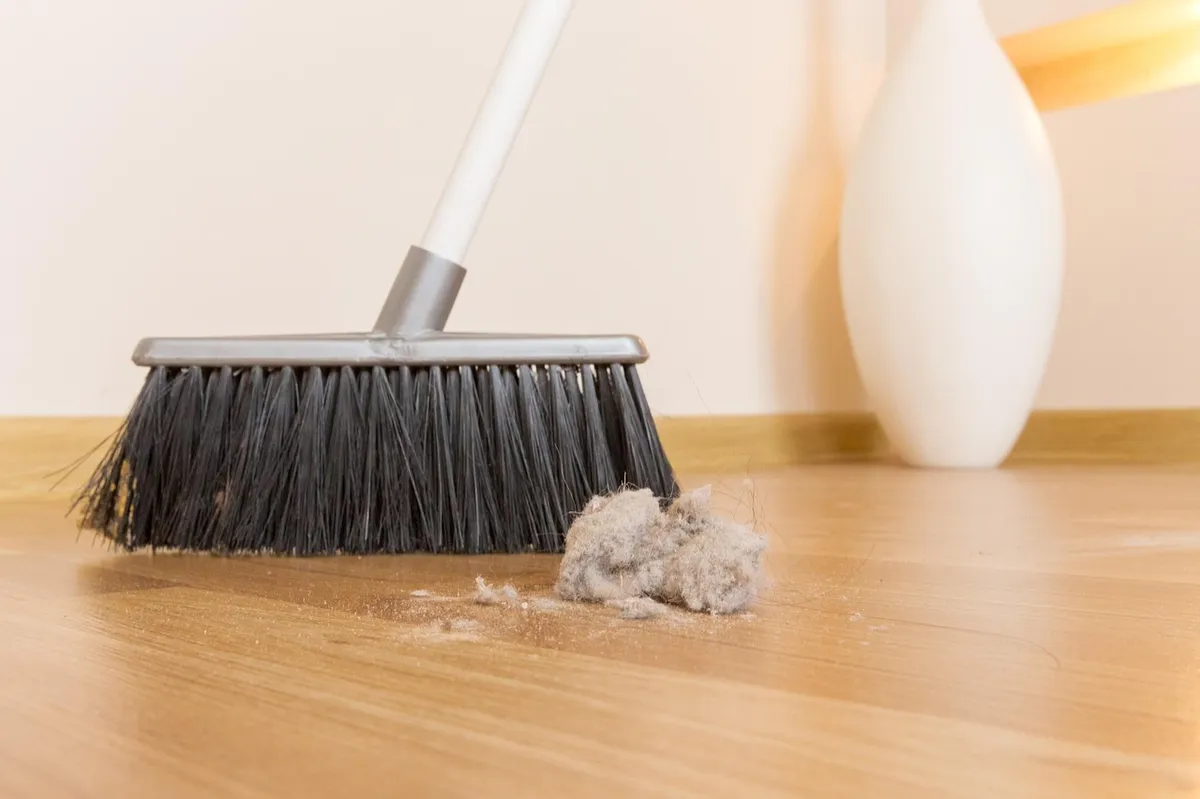
The Hidden Origins of Dust and the Health Benefits of Dusting

You dust the shelves on Saturday, and by Wednesday there is a fresh gray film on the TV stand. If you have ever wondered where does house dust come from, and why it keeps coming back so fast, the answer is that dust is not one thing. It is a mix of tiny particles produced by the people, pets, fabrics and activities inside your home, plus everything that drifts or gets carried in from outside. Understanding those sources explains why some rooms get dustier than others, and why regular dusting is worth the effort.
What Is House Dust Made Of?
Household dust is a blend of particles from two directions: things that come in from outside and things your home creates on its own. The exact mix varies from house to house depending on how many people and pets live there, the type of flooring and furniture, how often doors and windows are open, and the local environment.
Where Does House Dust Come From Outdoors?
A large share of indoor dust starts outside and gets in through doors, windows, gaps around frames, and on shoes, clothing and pets.
Soil and tracked-in dirt
Every trip in from the yard, driveway or sidewalk carries fine soil particles on shoe soles. In much of the Triangle, that includes the red clay that stains mats and grout. Once inside, it dries and breaks into fine dust that spreads across floors.
Pollen
Trees, grasses and weeds release pollen seasonally, and central North Carolina is known for its heavy spring pollen. It settles on window sills, porches and patio furniture and rides in on hair, clothes and fur.
Mold spores
Outdoor mold spores drift in on air currents and settle with other dust. Indoors, damp areas can add their own.
Outdoor air pollution
Fine particles from traffic, construction, smoke and other sources can enter whenever the house exchanges air with the outdoors.
Where Does House Dust Come From Indoors?
People and pets
Humans and animals constantly shed tiny skin flakes, and pets add dander and hair. The more people and pets in a home, the more of this there is to clean up. Skin flakes are also what dust mites feed on, which is one reason bedding and upholstered furniture hold so much dust.
Fabric fibers
Clothing, towels, bedding, curtains, upholstery and carpets slowly wear and release fibers. That is why laundry rooms, bedrooms and living rooms with lots of soft furnishings tend to be the dustiest rooms in the house. Dryer lint is a good visual of how much fabric breaks down.
Cooking and kitchen activity
Flour, spices, crumbs and cooking grease all become airborne in small amounts. Grease is especially important because it leaves a sticky film on cabinets, range hoods and nearby surfaces, which traps dust and makes it harder to wipe off.
Insects
Insect droppings and body fragments, including those from dust mites and household pests, become part of household dust.
Paper, packaging and everyday items
Cardboard boxes, paper products, candles and fireplaces add particles. Homes that receive frequent deliveries or store a lot of paper often notice more dust.
Household products
Residue from sprays, powders and some cleaning products can settle and mix with dust, especially when products are overused or not wiped away fully.
Why Some Homes Get Dustier Than Others
- Number of people and pets: more occupants means more skin flakes, dander and tracked-in dirt.
- Soft furnishings: carpets, rugs, heavy drapes and upholstered furniture shed fibers and hold onto particles.
- Clutter: every open shelf and decorative item is another surface for dust to settle on.
- Air movement: HVAC systems, fans and drafts move dust around. Dirty filters or vents can redistribute it.
- Nearby activity: construction, dirt roads, open fields and heavy traffic outside can increase indoor dust.
- Renovation: sanding, drywall and remodeling produce very fine dust that can linger for weeks.
Why Regular Dusting Matters
It removes allergens from your living space
Dust can contain dust mite debris, pet dander, pollen and mold spores, which are common indoor allergens. Regular dusting and vacuuming reduce how much of this collects in your home. If you or someone in your family has allergies or asthma, talk with your doctor about managing symptoms; a cleaner home can be one part of that plan.
It keeps the air fresher
Dust on surfaces gets kicked back into the air by foot traffic, fans and airflow. Removing it regularly means less of it circulates. Our article on how professional cleaning improves indoor air quality covers this in more detail.
It supports overall hygiene
Dust can collect on and around high-touch surfaces. Dusting combined with regular cleaning and disinfecting of those surfaces keeps the home more hygienic overall.
It protects your belongings
Dust builds up in electronics, vents, fan motors and the finishes on furniture. Keeping it under control helps your things work and look better for longer.
It makes your home feel better
A home without a film of dust simply looks and feels more comfortable, and it is more welcoming when guests visit.
Dusting the Right Way
Knowing where dust comes from makes dusting more effective. Work top to bottom, use a damp or microfiber cloth that traps particles instead of scattering them, and vacuum the floors last. For a full list of practical steps to cut down on how much dust builds up in the first place, read how to reduce dust in your home.
Let DJM Cleaning Handle the Dust
DJM Cleaning Home Services is a veteran-owned, family-run company that has been cleaning homes in Raleigh, Durham, Cary, Chapel Hill and across the Triangle since 2016. If dust has built up in places you rarely reach, like fan blades, vents, baseboards and the tops of cabinets, our Top to Bottom Deluxe deep clean is designed for that kind of detail work. To keep dust from building back up, our Perfect Maintenance recurring cleaning brings the same background-checked, insured team on a weekly, bi-weekly or monthly schedule.
Frequently Asked Questions
Is house dust mostly dead skin?
Skin flakes are one part of house dust, but not the whole story. A significant share comes from outdoors as soil, pollen and pollution, and the rest from fabric fibers, pets, cooking and other everyday activity.
Why does my house get dusty so fast?
Common reasons include pets, lots of carpets and soft furniture, clutter, dirty HVAC filters, nearby construction, and dust being stirred up rather than captured when cleaning.
How often should I dust?
Dust frequently used surfaces about once a week, and higher or hidden areas like fan blades, vents and baseboards every few weeks. Homes with pets or allergy concerns may need more frequent dusting.
Tired of chasing dust every week? Get a free quote or call (919) 794-5381 and let our team take care of it.
